
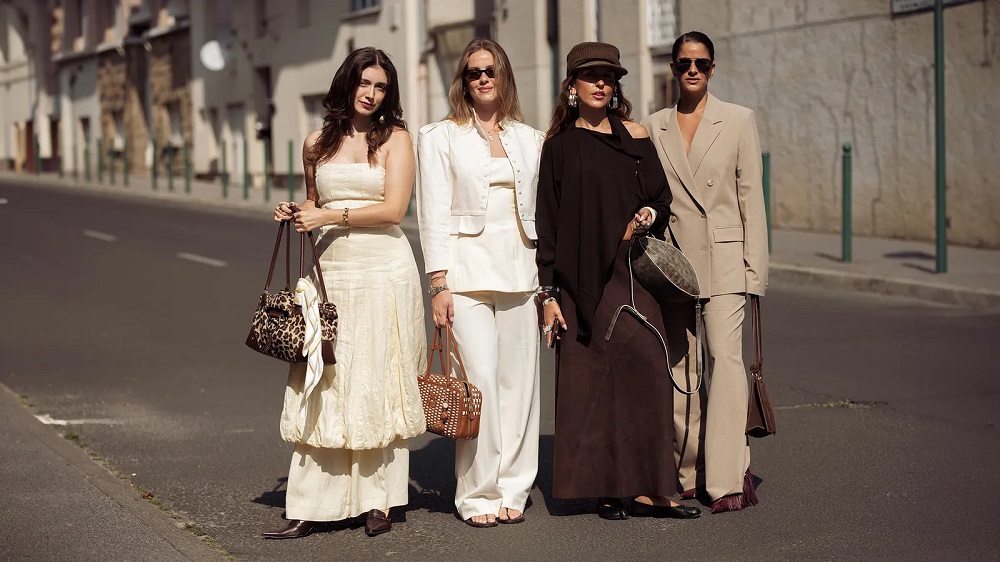
Dressing well has little to do with how much money you spend. For decades, the fashion industry pushed the narrative that sharp tailoring, luxurious textures, and timeless silhouettes were exclusive to designer price tags. Today, that dynamic has completely shifted. A growing number of direct-to-consumer labels, innovative retail giants, and elevated high-street brands are proving that great taste does not require an exorbitant budget.
Building a stylish wardrobe on a budget requires knowing where to look and understanding what makes an inexpensive garment look premium. When you shop with intention and prioritize cut, material, and construction over fleeting novelty, you can assemble a versatile closet that rivals high-end collections.
What to Look for in Budget-Friendly Fashion
Price does not always reflect quality. Many luxury fashion houses mark up garments by hundreds of percent simply for branding, while several accessible retailers focus their resources on sourcing durable fabrics and classic patterns.
When evaluating budget-friendly clothing, look for these key indicators of quality:
- Natural and Semi-Synthetic Fibers: Garments made from cotton, linen, modal, Lyocell, and wool blends tend to drape better, breathe easier, and age more gracefully than pure polyester or acrylic.
- Thoughtful Stitching and Seams: Look for straight, tight stitching without loose threads. Double-stitched hems and reinforced seams prevent garments from losing their shape after laundering.
- Neutral and Cohesive Color Palettes: Rich tones like navy, olive, cream, camel, espresso, and charcoal naturally look more expensive than overly bright, synthetic neon dyes.
- Subtle Hardware: Inexpensive items often give themselves away through cheap, shiny plastic buttons or flimsy zippers. Garments with matte buttons, hidden closures, or sturdy metal zippers elevate the entire look.
Top Brands for Elevated Basics and Everyday Essentials
A reliable wardrobe starts with foundation pieces: well-fitted crewneck tees, breathable button-downs, crisp chinos, and comfortable knitwear.
Uniqlo
Uniqlo has mastered the art of functional, minimalist essentials. The Japanese retailer focuses heavily on fabric innovation, offering proprietary materials like moisture-wicking AIRism for summer and heat-trapping Heattech for winter.
Beyond technical performance, Uniqlo excels at clean silhouettes. Their heavyweight Supima cotton t-shirts, relaxed linen button-downs, and pleated wide-fit trousers provide an architectural drape that looks far more expensive than their retail price.
Quince
Quince has disrupted the accessible luxury space by utilizing a factory-to-consumer model. By cutting out traditional retail middlemen, the brand offers Grade-A Mongolian cashmere sweaters, Mulberry silk blouses, and European linen shirts at a fraction of traditional department store costs.
Their aesthetic leans heavily into timeless minimalism. If you want classic slip dresses, washable silk skirts, or fine-gauge knitwear that mimics four-figure designer pieces, Quince is one of the most consistent options on the market.
Pact
Pact focuses on certified organic cotton basics with transparent, ethical production standards. Their collections center on soft loungewear, durable t-shirts, wrap dresses, and casual layers. Pact proves that sustainable, eco-conscious fabrics do not have to carry an unapproachable premium.
Best Brands for Sharp Workwear and Tailoring
Professional attire often presents the biggest financial challenge for shoppers. Fortunately, several contemporary brands specialize in structured cuts, sleek office wear, and sophisticated day-to-night pieces.
Mango
Based in Spain, Mango delivers sophisticated, European-inspired styling with a focus on modern corporate wear and refined casual clothing. The brand consistently produces standout outerwear, structured double-breasted blazers, sleek midi dresses, and fluid wide-leg trousers.
Mango pays close attention to current runway proportions, softening aggressive trends into wearable, office-ready staples that feel polished and mature.
COS
While situated at the slightly higher end of the affordable bracket, COS operates on a design philosophy of architectural simplicity and longevity. COS avoids loud patterns and flimsy materials, focusing instead on geometric shapes, heavy-weight cottons, structured wool overcoats, and boxy poplin shirts. A single tailored piece from COS can anchor your work wardrobe for several years.
Banana Republic Factory
For traditional office staples, Banana Republic Factory offers timeless American tailoring at steep discounts compared to its main-line counterpart. It is an exceptional resource for wrinkle-resistant dress shirts, machine-washable suits, pencil skirts, and classic merino wool sweaters.
Affordable Labels for Modern Trends and Statement Pieces
Balancing foundational basics with expressive, trend-forward pieces keeps your wardrobe feeling fresh and current.
Abercrombie and Fitch
Following an extensive rebrand, Abercrombie and Fitch has established itself as an industry leader for modern casual wear, elevated denim, and wedding guest attire. Their denim line features an impressive array of cuts, rises, and inclusive length options designed to eliminate waist gaps.
Their tailoring collection, which includes relaxed trousers and matching linen-blend vests, offers high-end aesthetics suited for both casual weekends and stylish social events.
NA-KD
Swedish label NA-KD offers fashion-forward Scandinavian street style. Known for its textured knitwear, sleek slip skirts, tailored trench coats, and trendy co-ord sets, NA-KD allows shoppers to experiment with contemporary runway trends without heavy financial commitment.
ASOS Design
ASOS Design is a powerhouse for variety, offering extensive size ranges including Petite, Tall, Curve, and Maternity. Because their internal design team adapts high-fashion concepts rapidly, it serves as an ideal destination for statement outerwear, holiday party dresses, and bold footwear.
Smart Strategies to Maximize Your Clothing Budget
Finding great brands is only half the equation. Applying practical shopping strategies ensures you get the absolute highest value out of every purchase:
- Audit Before You Shop: Before buying new items, identify the gaps in your wardrobe. Ensure every prospective purchase can be styled with at least three items you already own.
- Embrace the Cost Per Wear Formula: A fifty-dollar jacket worn one hundred times costs fifty cents per wear, while a fifteen-dollar novelty shirt worn once costs fifteen dollars per wear. Allocate your budget toward items with high daily utility.
- Invest in Low-Cost Tailoring: Taking an inexpensive thirty-dollar pair of trousers to a local tailor for a ten-dollar hem or waist adjustment can make the garment look like a custom-made luxury piece.
- Learn Gentle Fabric Care: Extend the lifespan of affordable clothing by washing in cold water, using mesh garment bags for delicate knits, and line drying whenever possible to avoid heat damage from tumble dryers.
Frequently Asked Questions
How can you tell if an inexpensive garment will shrink or lose its shape in the wash?
Check the fabric care label for fiber content and preshrunk designations. Pure rayon, viscose, and unwashed loose-weave cotton shrink easily when exposed to agitation and heat. Garments made from tightly woven twill, mercerized cotton, or fabric blends with a small percentage of elastane or nylon hold their structural integrity far better over time.
What is the difference between direct to consumer fashion brands and traditional fast fashion retail?
Direct to consumer brands typically bypass third-party wholesalers, physical department stores, and licensing middlemen. This streamlined model allows them to invest a higher proportion of production costs directly into premium raw materials and ethical manufacturing while keeping retail prices low. Traditional fast fashion retailers rely on massive production volume, rapid design turnover, and low-cost synthetic materials.
How does fabric weight indicate whether a garment looks high end?
Heavier fabric weights generally provide structural stability and drape cleanly over the body rather than clinging to undergarments. Medium-to-heavy cottons, thick poplins, and substantial knitwear resist wrinkles and mask uneven body contours, creating an immediate visual impression of luxury.
Can tailoring really make budget clothing look custom made?
Yes. Off-the-rack clothing is manufactured to fit generic body averages, which often results in excess fabric at the waist, sleeves that are too long, or pant legs that bunch awkwardly. Adjusting sleeve lengths, taking in the side seams of a shirt, or hemming pants creates a precise silhouette that matches your exact proportions.
What are the best ways to care for affordable clothes so they last multiple seasons?
Wash clothing inside out on gentle cycles using cold water, and use liquid detergent rather than harsh powders. Avoid using the dryer for delicate or synthetic fabrics, as high heat breaks down elastane and causes pilling on knits. Steaming clothes instead of ironing them also protects delicate fibers from scorching.
How often should someone audit their wardrobe before buying new affordable pieces?
Conducting a wardrobe audit at the start of each major season allows you to assess what items you actually wore, what needs mending or alteration, and what functional pieces are missing. This practice prevents duplicate purchases and keeps your closet focused on items that bring genuine utility.
Are synthetic blends always inferior to pure natural fibers in budget clothing?
Not always. While high percentages of low-grade acrylic or cheap polyester can feel scratchy and trap odor, small additions of synthetic fibers often improve performance. For example, adding two percent elastane to cotton denim adds necessary stretch, while blending nylon with wool increases durability and prevents premature tearing.