
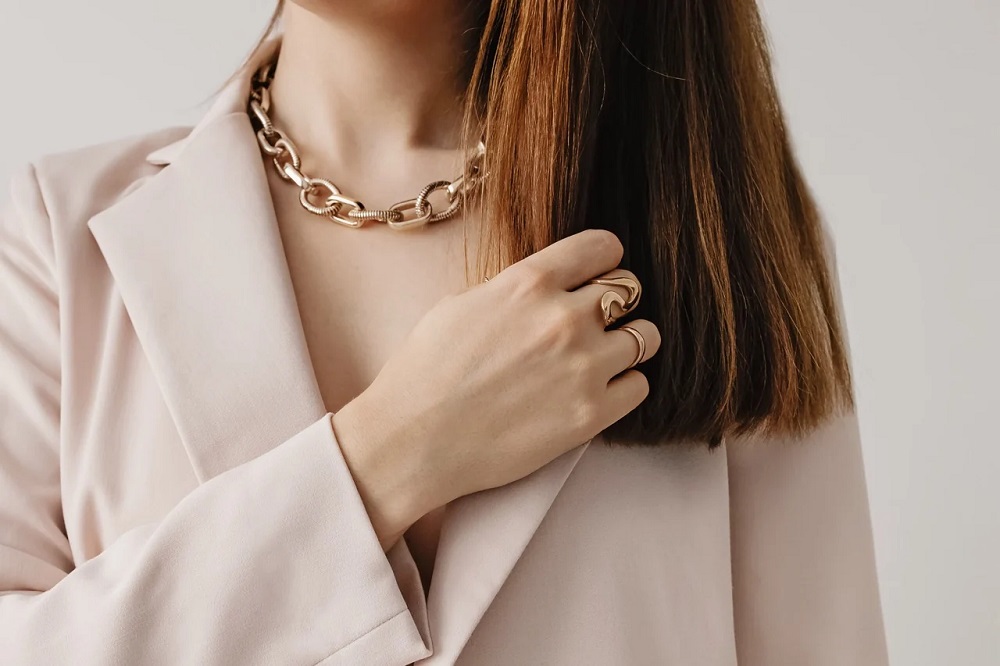
Jewelry has an unmatched ability to transform an outfit, communicate personal taste, and set the tone for any gathering. The right piece can take a simple ensemble and turn it into a refined statement, while an ill-suited choice can feel distracting or out of place. Selecting jewelry is not simply about wearing the most expensive or sparkling item in your collection. It is about understanding the context of the event, respecting the dress code, balancing proportions, and ensuring that every piece works in harmony with your clothing.
Navigating the nuances of everyday routines, professional settings, formal galas, and festive milestones requires a thoughtful approach. By mastering the fundamentals of occasion-based jewelry selection, you can build a versatile collection and approach any event with complete confidence.
Foundational Principles of Selecting Jewelry
Before evaluating specific dress codes, establishing core styling principles helps streamline every decision you make in front of the mirror.
- Establish a Clear Focal Point: An outfit rarely needs multiple statement pieces competing for attention. If you choose oversized chandelier earrings, consider skipping a necklace entirely or opting for a subtle, delicate chain. If a chunky collar necklace is your centerpiece, keep your earrings understated.
- Match Metals to Outfit Undertones: While modern styling embraces mixed metals, coordinating metals with your clothing creates effortless harmony. Warm tones like yellow gold and brass pair naturally with earthy shades, creams, browns, and warm reds. Cool tones like white gold, sterling silver, and platinum complement crisp blues, greys, stark black, and pure white.
- Respect the Neckline: The collar and neckline of your top or dress should dictate the shape of your necklace. Deep V-necks pair naturally with pendant necklaces that mimic the angular plunge. Sweetheart or strapless cuts welcome statement chokers or collar necklaces. High turtlenecks and boat necks provide an open canvas for long pendants or bold earrings.
- Consider Movement and Environment: Always account for your physical activities during the event. Dangling bracelets can disrupt typing during an office meeting, and loose rings or long chains can snag delicate fabrics at a cocktail reception.
Jewelry for the Workplace and Professional Settings
Professional environments call for pieces that project competence, attention to detail, and poise without creating visual or auditory distractions. Your jewelry should enhance your credibility rather than draw focus away from your contributions.
In conservative corporate settings, such as law firms, finance offices, or corporate boards, moderation is paramount. Opt for classic studs, such as diamond or pearl varieties, paired with a clean metal bangle or a leather-strap watch. Avoid stacked bangles that click against desks or computer keyboards, and stay clear of overly reflective stones that catch harsh office lighting.
For creative, startup, or business-casual environments, you have more room for artistic expression. You can experiment with architectural geometric earrings, textured metal cuffs, or layered fine chains. The goal remains consistency and polish, ensuring your accessories complement your tailored trousers, blazers, or shirt dresses seamlessly.
Casual Outings and Everyday Wear
Everyday styling should prioritize comfort, durability, and effortless appeal. Whether running errands, meeting friends for brunch, or spending a relaxed afternoon outdoors, your jewelry should withstand daily activities while adding a deliberate touch to casual denim, knitwear, and basic tees.
- Everyday Huggies and Hoops: Small to medium gold or silver hoops offer a clean, polished look without pulling on your earlobes or getting tangled in hair.
- Minimalist Layered Chains: Layering two or three delicate chains of varying lengths and textures adds dimension to a simple crewneck t-shirt or linen button-down.
- Low-Profile Rings: Smooth, low-set rings and thin stacking bands provide subtle shine without catching on clothing, bags, or everyday items.
- Durable Materials: Daily pieces should resist tarnishing. Solid gold, gold vermeil, sterling silver, and high-grade stainless steel hold up to handwashing, lotions, and active lifestyles far better than base metal fashion jewelry.
Semi-Formal and Cocktail Events
Cocktail attire strikes a balance between celebratory elegance and sophisticated restraint. These events, which range from upscale dinner parties to gallery openings and evening receptions, invite you to showcase distinctive, expressive pieces.
A cocktail event provides the ideal setting for an eye-catching statement ring, often known as a cocktail ring. A bold, colored gemstone, such as emerald, sapphire, amethyst, or topaz, immediately draws interest when holding a glass or conversing. Alternatively, you can opt for dramatic drop earrings paired with an elegant updo, which frames the face and accentuates the collarbone.
If your dress features heavy embellishments, sequins, or bold patterns, allow the fabric to shine by selecting sleek, minimalist metal accents. If your outfit is a simple, monochrome slip dress or a tailored jumpsuit, seize the opportunity to incorporate rich textures, colorful stones, and dynamic shapes.
Black-Tie Galas and Formal Gatherings
Formal galas, white-tie balls, and charity events demand the highest tier of refinement. At this level, jewelry should match the grandeur of floor-length gowns and formal suiting.
For black-tie affairs, classic elegance always prevails. Fine jewelry featuring genuine diamonds, high-grade gemstones, and lustrous pearls comes to the forefront. If your gown has an open, strapless, or sweetheart neckline, a diamond tennis necklace or a structured gemstone collar creates an arresting, graceful focal point.
When wearing a long-sleeved or high-neck formal gown, shift the visual weight entirely to your ears and wrists. Elaborate drop earrings with sweeping vertical movement work alongside diamond tennis bracelets or structured cuffs worn over fitted sleeves. The objective is timeless sophistication, leaning on refined craftsmanship and balanced proportions rather than flashy trends.
Weddings and Milestone Celebrations
Attending a wedding as a guest requires mindful curation. The fundamental etiquette rule for wedding guests is never to upstage the couple. Your jewelry should feel joyful, refined, and celebratory without demanding central attention.
- Daytime and Outdoor Weddings: Soft, organic elements like floral motifs, pastel gemstones, and modern freshwater pearls complement breezy chiffon, silk, and floral-print dresses.
- Evening Weddings: Shift toward deeper jewel tones, polished metals, and delicate sparkle that catches warm ambient evening lighting.
- Cultural and Traditional Ceremonies: Research specific traditions when attending multicultural celebrations. Many cultures celebrate with vibrant, heavy gold and intricate stone jewelry, making modest Western pieces feel underdressed.
Frequently Asked Questions
How should jewelry choices adapt between day and night events held in the same venue?
Daytime events typically call for softer, matte finishes, lighter gemstone tones, and understated profiles that look natural under bright sunlight. As the event transitions into the evening, you can switch to high-polish metals, darker jewel-toned stones, and faceted crystals or diamonds that reflect softer ambient indoor lighting.
What is the best way to choose jewelry that flatters your specific skin undertone?
Skin with cool undertones, marked by blue or purple veins, looks radiant with platinum, white gold, sterling silver, and gemstones like rubies, sapphires, and emeralds. Warm undertones, indicated by greenish veins, harmonize with yellow gold, rose gold, brass, and earthy stones like citrine, garnet, and turquoise. Neutral undertones can wear both warm and cool metals with equal success.
How do you prevent layered necklaces from tangling throughout an event?
To prevent necklaces from knotting, combine chains of noticeably different weights and lengths, ensuring at least two inches of space between each layer. Pairing a smooth snake chain with a textured link chain and a pendant chain reduces friction. Using a multi-strand necklace clasp spacer at the back of the neck keeps individual strands separated and securely aligned.
Can costume or fashion jewelry be worn to formal and black-tie events?
Yes, high-quality fashion jewelry can be worn to formal gatherings provided it features excellent craftsmanship, balanced proportions, and clean construction. Avoid lightweight plastic components, overly synthetic finishes, or visible glue around stone settings, as these details become noticeable under formal event lighting.
What jewelry pieces should be avoided when wearing delicate or sheer fabrics like lace and silk?
Avoid jewelry with sharp prongs, open-claw settings, intricate filigree, or abrasive textured surfaces that can catch and pull fine woven threads. Choose bezel-set gemstones, smooth cabochons, and sleek polished metal pieces with rounded edges to protect delicate silk, satin, and lace from snags.
How should men approach jewelry selection for formal and professional occasions?
Men should focus on refined, purposeful accessories that integrate smoothly with their tailoring. For professional environments, a high-quality wristwatch, discreet cuff links, and a wedding band provide classic polish. For black-tie and formal events, stud sets for formal tuxedo shirts, elegant metal tie bars, and sophisticated signet rings offer subtle, elevated individuality.
How do you determine whether an updo or down hairstyle should influence your earring choice?
An updo pulls hair away from the jawline and neck, creating an open frame that perfectly showcases long drop earrings, chandelier styles, and sculptural hoops. When wearing hair down or in voluminous waves, choose wider hoops, button studs, or pieces with high-shine surfaces so they remain visible without becoming tangled in your hair.